Commissioning us
Toolkits and books are priced and can be ordered as they are. For training and project support, we quote based on the scope. If you have not decided what to ask for, start with a conversation.
What you can ask for
Some things have a price on them. For the rest we send a quote.
Buy it
When you know what to buy. The price is listed, so you can order it as it is.
- ToolkitsSets of diagram formats, games and single-sheet maps, for workshops and elsewhere.
 Bizgram
 Purpose Model
 Policy Diagram
- BooksBusiness Model 2.0 Visual Guide, The Map of Accounting, Purpose Model, and others. Some have translated editions.
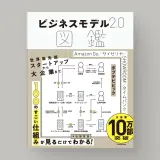 Business Model 2.0 Visual Guide
 The Map of Accounting
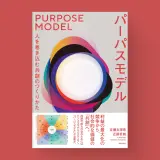 Purpose Model: How to Build Co-Creation That Engages People
- ProductsBizgram, Kaikei, Kadai and Slides. Some are free to use.
 Bizgram
 Slides
 Kaikei
- ToolkitsSets of diagram formats, games and single-sheet maps, for workshops and elsewhere.
Commission it
When you know what you want done. We quote based on the scope: the number of sessions, people and the duration.
- Training and workshopsSessions where people think a problem through by working with our diagram formats. We handle the design, the materials and the facilitation on the day.
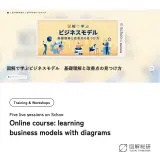 Online course on Schoo: learning business models with diagrams
 Workshop: diagrams that deepen your reading
- Diagrams and visualizationWe put a complex concept, or a whole business, onto a single sheet.
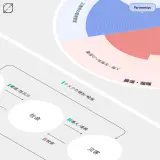 Shaping the concept of disaster environment studies
 Overseeing the diagrams for the book Circular Design
- Building an issue mapWe lay out the issues in a field as a structure, so you can decide where to start.
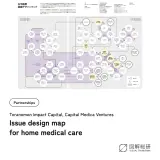 Issue design map for home medical care
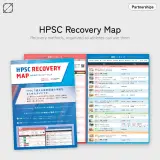 HPSC Recovery Map
- TalksWe talk about how we think with diagrams and what we have actually done. This can include judging and giving feedback.
 Supporting the Benesse business model analysis contest
- Working alongside a business or organizationWe work alongside the team on a new business or a new scheme over time. It usually continues year by year.
 Working alongside an organization to map its bottlenecks
- Running the secretariatWe take on the coordination and running of a project that several organizations are part of.
 Community Drive Project
- Training and workshopsSessions where people think a problem through by working with our diagram formats. We handle the design, the materials and the facilitation on the day.
Talk it through
When all you have is the problem. We work out what to ask for together, then quote.
- Something not yet in shapeThemes we have not worked on before are welcome. We start by working out what it is you want to solve.
- What people usually come to talk aboutYou do not need to know what to ask for. Start from where things are stuck.
Everyone involved says something different, and nothing moves
- The questions are not sorted out, and the discussion talks past itself
- There are many parties, and the discussion splits
- Purpose and roles stay vague while the work proceeds
Reach agreement
We put what each side is aiming for onto one sheet, so decisions can be made while looking at the same picture. We come in from designing the meetings through to running them.
Working alongside an organization to map its bottlenecksShaping the concept of disaster environment studiesThe business or the system is complex, and we cannot explain it well to the people involved
- We cannot get the whole picture of the business or the strategy in order
- Each party starts from a different understanding
- The theme is too complex to see whole
Make it visible
We turn the whole structure, and how the parts connect, into a diagram. Not scattered documents but one sheet that reads the same to anyone.
Issue design map for home medical careHPSC Recovery MapWe put it in order, but nobody on the ground uses it
- The way we explain it varies every time
- We want a format we can think with, without relying on outsiders
- We reach agreement, but the doing does not continue
Make it usable
We turn the diagram into an app or a template people can actually work in. We go as far as making it something they can update themselves.
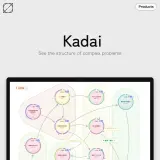 Kadai
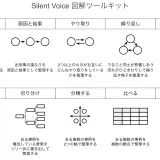 A visual thinking toolkit for deaf and hard-of-hearing children
What we decided never takes hold on the ground
- People learn it, but it is not used in real work
- Explanation and discussion depend on particular individuals
- The way of thinking varies from person to person
Keep it running
We do not stop at building it: we set who updates it and how, and keep it going. We also run training so people inside your organization can do the same structuring. Business models, strategy and accounting are among the themes.
Community Drive Project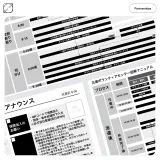 An operations manual for the Nanao City Disaster Volunteer Center
What we want to say is not yet in a form we can put out widely
- We got stuck on an introductory book everyone calls easy
- People inside start from different premises
- We cannot put specialized content into a form that reaches outsiders
Get it across
We take what has been put in order inside the organization and give it a form that reaches outside — publishing, books, and providing frameworks. We break a theme into its parts and their relations, and edit it so it can be understood from the whole.
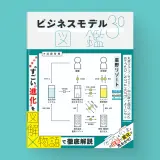 Business Model 3.0 Visual Guide
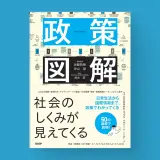 Policy DiagramsPurpose Model: How to Build Co-Creation That Engages PeopleOverseeing the diagrams for the book Circular Design
If nothing here is close, write what you are stuck on and send it to us.
Contact
A problem you are stuck on, a project you are considering, a press inquiry. We also take inquiries that have not taken shape yet.
Talk to us